

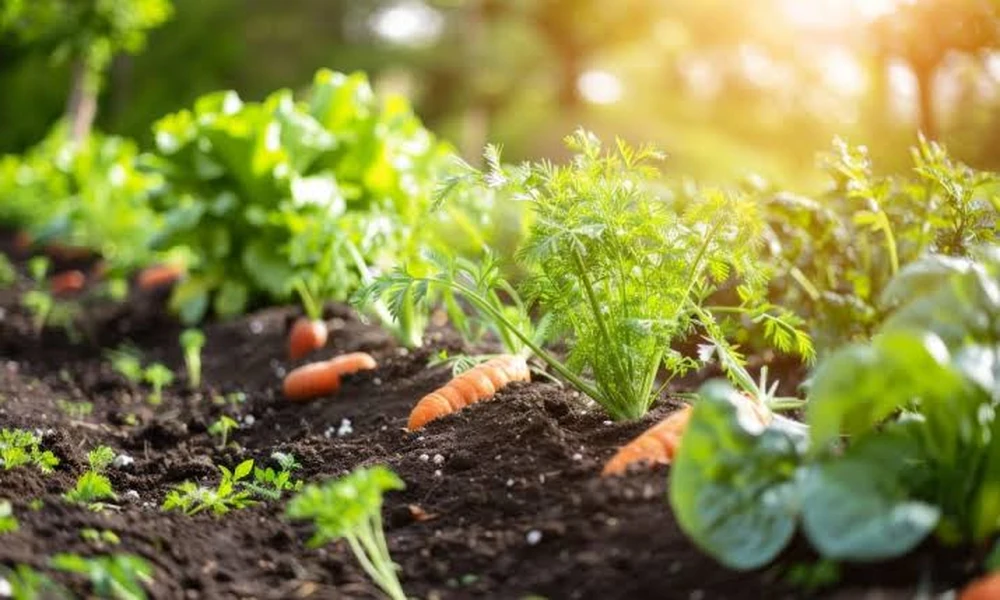
Understanding Regenerative Agriculture
Regenerative agriculture is a way of working that aims to enhance soil’s health and productivity, enabling the betterment of the overall ecosystem. It delves beyond practices that focus on maximising short-term production and promotes practices that enhance soil structure, biological activity and natural resource protection. Healthy soil is considered a cornerstone of healthy and productive agricultural systems.
Regenerative agriculture takes a whole-system approach to improving farmland, recognising that soil health is closely connected to water retention, nutrient availability and biodiversity. Farmers looking to understand the principles in greater detail can explore Regenerative Agriculture.Htm, which provides a useful reference point for considering how practices such as reduced tillage, cover cropping and diverse rotations can support healthier soil systems over time. These methods can be adapted to local conditions, helping agricultural land remain productive while encouraging more resilient and balanced ecosystems.
Building Soil Organic Matter
One of the main goals of regenerative agriculture is to increase organic matter in the soil. Organic matter is derived from decomposed plant material, animal manure, compost and natural sources. An increase in the organic matter content will improve the soil’s ability to retain water and nutrients. It also feeds the organisms that play a crucial role in biological processes under the soil surface.
Reducing Soil Disturbance
Tillage can disrupt soil structure and soil organisms if too much tillage is done. To avoid unnecessary disturbance, regenerative systems tend to use reduced tillage or no-till. Minimal soil disturbance can help maintain soil aggregates, minimise erosion and provide more stable soils for beneficial organisms.
Using Cover Crops
Cover crops are crops that are planted on the surface primarily to protect and enhance the soil profile, but not for human consumption. In between growing seasons, the ground can be covered with other crops like grasses, legumes or appropriate plants. Their roots, which are left in the ground, can serve to anchor soil in place, and their plant residue can provide organic matter. Cover crops also can help with soil organisms and nutrient cycling.
Encouraging Soil Biodiversity
The soil is teeming with a variety of microorganisms, insects, worms, fungi and others. The objective of regenerative agriculture is to make conditions favourable for the growth of these organisms. A range of soil biota can sustain decomposition, nutrient cycling and natural soil build-up. Crop rotation and less chemical activity can help achieve this biological balance.
Improving Water Management
Sustainable soil management can enhance the flow of water within agricultural soils. Properly structured, well-organised soil with adequate organic matter content can absorb and hold water, which may lessen the amount of water flowing off the land and eroding the soil. Improved water infiltration may also assist crops under conditions of insufficient moisture, and minimise the impact of excess moisture.
Supporting Crop Diversity
Growing different crops rather than repeatedly planting a single crop can benefit soil health. Rotation of crops brings different root and nutrient needs to the system. Mixing rotations with cover cropping can help to reduce pest cycles, enhance nutrient management and contribute to a more diverse soil environment.
Long-Term Benefits for Farmers
Regenerative agriculture is a philosophy and practice focused on the long-term improvement of soil rather than short-term profit. This is because stable crop production is possible in healthier soils, along with increased stress and climate resilience, and maybe a decrease in reliance on some external inputs. Results are, however, different in different climates, soils, crops and management practices, and so farmers must tailor regenerative practices to their own situation.
Conclusion
Regenerative agriculture is a practical approach to soil health restoration. By minimising disturbance of the soil, it brings more organic matter, promotes biodiversity, and manages water and crop diversity.