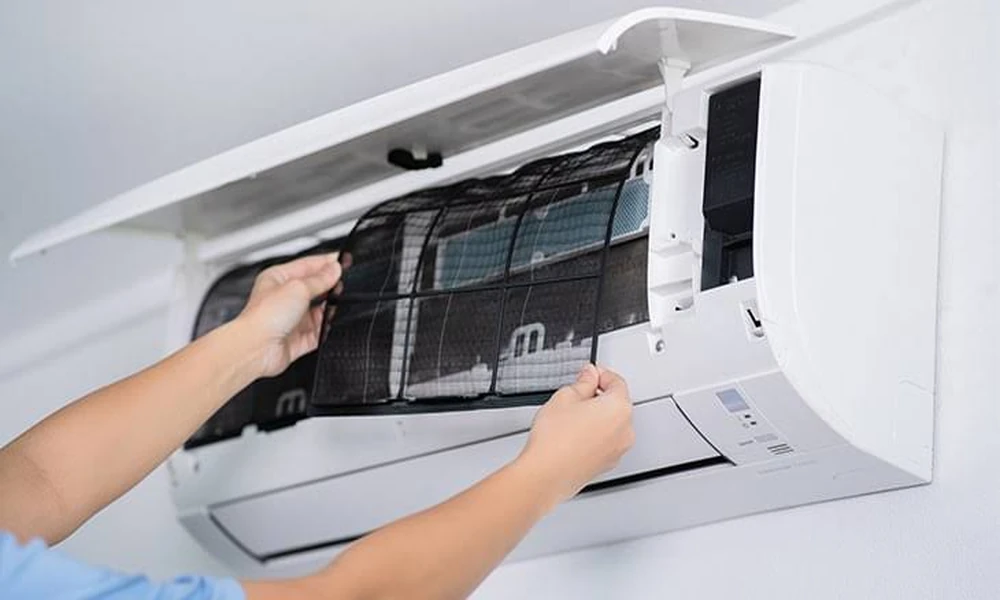
Regular AC service keeps your system efficient, prevents costly breakdowns, and ensures reliable comfort. Discover the ideal schedule for your home, including tips for ductless mini splits, so you stay cool without surprise repairs or high energy bills.
Keeping your home comfortable year-round starts with one simple question: how often should you schedule air conditioning services? Ignoring routine care can lead to higher energy bills, sudden breakdowns, and shorter system life. Whether you have a traditional central unit or rely on ductless mini split services in Wallace, consistent maintenance is the key to reliable performance. Most experts recommend professional service at least once a year, with more frequent checks in certain situations. This guide breaks down the ideal timing, signs you need help sooner, and practical steps to protect your investment.
Why Regular Air Conditioning Service Matters
Air conditioners work hard during hot months, circulating air, removing humidity, and cooling your space. Dust, debris, and wear build up over time, reducing efficiency and straining components. Skipping service often means the system runs longer to achieve the same results, driving up utility costs and increasing the chance of failure on the hottest days.
Professional maintenance cleans coils, checks refrigerant levels, inspects electrical connections, and tests overall performance. These steps improve energy efficiency, extend equipment life, and help maintain better indoor air quality. For homes using ductless systems, regular care ensures each indoor unit and the outdoor compressor continue delivering zoned comfort without unnecessary strain.
Recommended Service Frequency for Most Homes
For the majority of residential air conditioning systems, schedule a professional tune-up once a year. The best time is early spring, before the cooling season begins. This timing allows technicians to catch issues while demand is lower and ensures your system is ready for peak summer use.
If your home experiences heavy use-such as continuous operation during long heat waves-or if the unit is more than ten years old, consider twice-yearly service. One visit in spring and another in fall keeps both cooling and any heating functions in top shape. Homes with ductless mini splits often benefit from the same annual schedule, though multi-zone setups may need attention to individual air handlers.
Here is a simple numbered guide to follow:
- Standard central systems: annual spring service.
- Older or high-use systems: spring and fall visits.
- Ductless mini splits: yearly professional inspection plus seasonal filter checks.
Signs You Need Service Sooner Than Planned
Even with a solid schedule, certain warning signs mean you should call for service right away. Unusual noises, weak airflow, warm air from vents, or sudden spikes in energy bills often point to problems that worsen quickly. Strange odors, frequent cycling on and off, or visible ice on the outdoor unit also signal the need for prompt attention.
Water leaks around the indoor unit or outdoor compressor should never be ignored. Addressing these issues early prevents bigger repairs and keeps your system running efficiently. Homeowners who notice reduced comfort in specific rooms-especially with ductless setups-should arrange service before the problem spreads to the entire system.
Actionable Tips to Maximize Your Service Visits
Between professional appointments, simple homeowner habits make a big difference. Change or clean filters every one to three months, depending on usage and indoor air conditions. Keep the outdoor unit clear of leaves, grass, and debris so airflow stays unrestricted. Set your thermostat at a consistent, reasonable temperature rather than making frequent large adjustments.
During the professional visit, ask the technician to review your system’s age and condition. They can recommend the ideal future schedule based on your specific equipment and local climate. Keeping a record of past services helps track performance trends and supports any warranty requirements.
For ductless mini split services in Wallace and surrounding areas, technicians typically clean indoor filters and coils, check refrigerant charge, test electrical components, and verify that each zone operates correctly. These steps maintain the energy-saving benefits and zoning flexibility that make ductless systems popular.
Frequently Asked Questions
Q.1 How often should ductless mini splits be serviced?
Most ductless systems need professional maintenance once a year, ideally in spring. Clean filters more frequently yourself for best results.
Q.2 Can I skip a year of service if the AC seems fine?
It is not recommended. Hidden issues can develop even when the system appears to run normally, leading to higher costs later.
Q.3 What does a typical AC service include?
Technicians usually clean coils, check refrigerants, inspect electrical parts, test controls, and verify overall performance.
Q.4 Is fall service useful for cooling-only systems?
Yes. A fall check can catch problems early and prepare the unit for the next cooling season while demand is lower.
Conclusion
Knowing how often to schedule air conditioning services protects both your comfort and your budget. Most homes do well with one thorough professional visit each spring, while older or heavily used systems benefit from two annual checks. Watch for early warning signs and handle simple tasks like filter changes yourself to stretch the time between repairs. Regular care keeps energy costs lower, extends equipment life, and delivers consistent cooling when you need it most. Whether you rely on a traditional system or ductless mini split services in Wallace, staying proactive with maintenance ensures reliable performance season after season. Schedule your next service before the heat arrives and enjoy peace of mind knowing your home stays comfortable without unexpected interruptions.
==========================================================================
Is Your Home’s Air Making You Sick? Indoor Air Quality Solutions That Actually Work
Many homeowners assume closed windows and modern insulation keep contaminants out. In reality, those same features trap everyday pollutants from cleaning products, cooking, furniture, and even the HVAC system itself. Over time, the air grows stale. Symptoms like frequent headaches, irritated eyes, lingering odors, or unexplained fatigue often trace back to what you breathe every day. Wilmington’s humid coastal climate makes the problem worse by encouraging mold and dust mites when moisture climbs too high. The path forward starts with understanding the issue and choosing solutions that address root causes rather than masking them. Professional Wilmington indoor air quality services focus on assessment, filtration, purification, humidity balance, and proper ventilation so your family can breathe easier.
Why Indoor Air Feels Worse Than You Expect
Modern homes are built tight for energy efficiency. That tightness limits fresh air exchange, allowing pollutants to concentrate. Indoor air can become several times more polluted than outdoor air simply because nothing moves the contaminants out. Sources hide in plain sight: volatile organic compounds from paints and cleaners, pet dander, dust mites thriving in carpets, and microscopic mold spores that flourish when humidity drifts outside the ideal 30 to 50 percent range.
Humidity itself becomes a silent driver. Too much moisture feeds mold and makes summer feel heavier. Too little dries out sinuses and skin while increasing static and damaging wood finishes. Add leaky or dirty ductwork and the system that should deliver clean air starts redistributing whatever has settled inside the vents.
Proven Solutions That Deliver Cleaner Air
Effective improvement begins with knowing exactly what is in your air and how your system moves it. A professional assessment that includes duct inspection reveals leaks, buildup, and filtration gaps. From there, targeted upgrades create lasting change.
1. Whole-House Filtration and Purification
Standard HVAC filters protect the equipment more than the people. Upgrading to properly matched high-MERV or advanced filtration media captures dust, pollen, and dander before they recirculate. Pairing filtration with purification technology removes even smaller particles and odors. The combination can eliminate the majority of airborne pollutants that pass through the system, giving every room cleaner air without portable units cluttering living spaces.
2. UV Germicidal Lights
Organic contaminants such as mold spores, bacteria, and viruses often slip past mechanical filters. Ultraviolet germicidal lights installed in the ductwork neutralize these microbes with light rather than chemicals. The process is continuous, low-maintenance, and safe for households. Once in place, the lights work quietly in the background, reducing the biological load circulating through your home.
3. Precise Humidity Control
Whole-house humidifiers and dehumidifiers integrate with the existing HVAC system so you set a target humidity level and let the equipment maintain it. Dehumidifiers extract excess moisture during sticky months, discouraging mold and dust mites. Humidifiers add gentle moisture when winter air turns dry. Keeping humidity in the healthy middle range improves comfort and protects both lungs and home finishes.
4. Fresh Air Without Energy Waste
Heat recovery ventilators and energy recovery ventilators bring outdoor air inside while transferring heat or moisture from the outgoing stale air. The result is continuous ventilation that does not force the heating or cooling system to work harder. These systems are especially useful in tightly sealed homes where natural air exchange is limited.
5. Sealed and Balanced Ductwork
Leaky ducts waste conditioned air and pull in dust from attics, crawl spaces, or wall cavities. Professional duct testing identifies the weak spots. Sealing them restores proper airflow, improves efficiency, and stops outdoor contaminants from entering the airstream. Clean, tight ducts become the backbone of every other air-quality upgrade.
Routine maintenance ties everything together. Changing filters on schedule, checking for moisture issues, and keeping the system balanced prevent small problems from becoming chronic ones. Homeowners who combine these steps notice fewer allergy flare-ups, less dust settling on surfaces, and a fresher feeling throughout the house.
When the time comes to move from awareness to action, experienced Wilmington indoor air quality services evaluate the full picture-ducts, humidity, filtration capacity, and ventilation needs-then recommend only the solutions that match the specific home.
FAQs
Q.1 How quickly can indoor air quality improvements show results?
Ans: Many households notice reduced odors and less dust within days of installing upgraded filtration and purification. Humidity control and UV lights continue to improve conditions over the following weeks as existing mold and microbial levels decline.
Q.2 Do these systems work with existing HVAC equipment?
Ans: Yes. Whole-house filters, purifiers, UV lights, humidifiers, dehumidifiers, and recovery ventilators are designed to integrate with most modern heating and cooling systems when sized correctly.
Q.3 Is professional assessment necessary or can I just buy better filters?
Ans: Better filters help, but an assessment identifies whether ducts leak, humidity is unbalanced, or the system lacks capacity for higher filtration. Addressing only one factor often leaves other sources untouched.
Q.4 Will better air quality raise my energy bills?
Ans: Properly designed systems usually lower energy use. Sealed ducts and recovery ventilators reduce the load on heating and cooling equipment, offsetting any modest power draw from added components.
Q.5 How often should systems be maintained?
Ans: Filters need regular replacement based on usage and household conditions. UV lights and humidity equipment benefit from annual professional checks to keep performance high and prevent secondary issues such as mold in humidifier pads.
A Final Look
Clean indoor air is not a luxury. It is a practical foundation for daily comfort and long-term well-being. By combining assessment, targeted filtration and purification, humidity balance, fresh-air exchange, and sealed ductwork, homeowners gain control over the invisible environment inside their walls. The solutions outlined here are proven, measurable, and available through dedicated local expertise. Taking the first step toward professional evaluation removes guesswork and replaces it with systems that quietly deliver healthier air every hour of the day. When your family’s health and comfort depend on what fills every breath, investing in reliable Wilmington indoor air quality services turns concern into lasting peace of mind.
==========================================


