

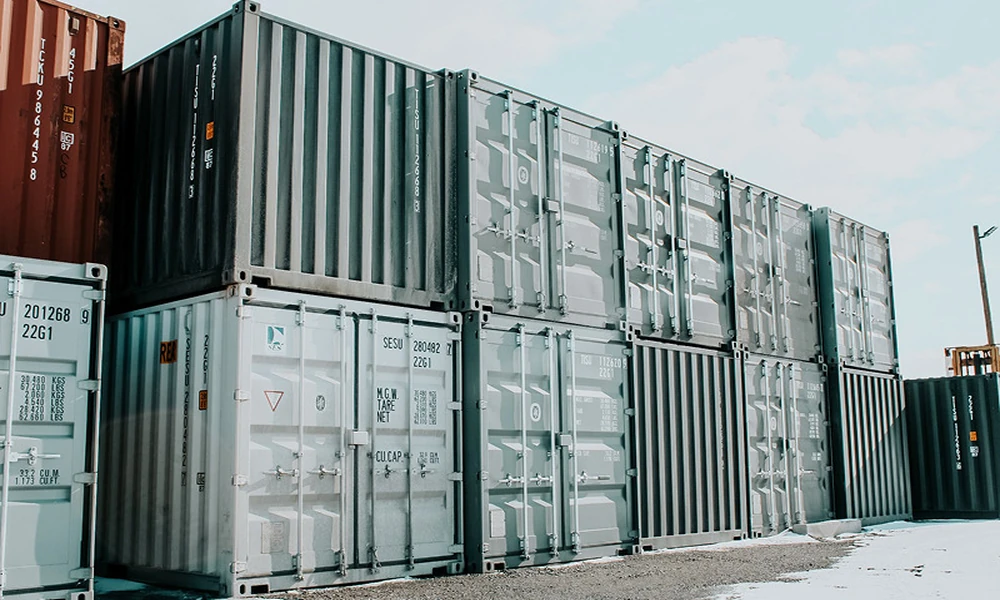
Montana life runs on gear. Hunting seasons, ski days, ranch work, job sites, and small business needs all add up. You want access, security, and a setup that holds up through wind, snow, and heat. I help people plan storage that fits real life in this state, and I keep my advice grounded in what works on rough ground and tight timelines.
Container storage continues to shift how people across the state protect their gear. The model is simple. Bring clean, weatherproof storage to your own land or worksite. Use it for a season or for the long haul. Keep it under lock and key and skip the drive across town. If you want a strong local option, take a look at MoCan Containers. They serve Montana with a large inventory, clear pricing, and delivery that makes placement straightforward.
In this guide I will show you why containers fit Montana conditions, how to choose the right unit, where placement goes wrong, and which upgrades make daily use easier. I will also explain why I recommend MoCan Containers if you want a dependable provider in-state.
Why Containers Fit Montana Life
On-site access matters. With a container in your yard or on your job, you load, lock, and grab gear on your schedule.
Security matters. Steel walls and lockable doors keep tools, rifles, inventory, and spares out of sight and under control.
Weather matters. A watertight, wind-tight box prevents leaks, drift snow, and dust. Good seals keep out rodents.
Flexibility matters. You can rent during a remodel or a busy season, then return the unit. You can buy when you want a permanent setup.
What This Looks Like Across the State
- Homeowners: Store furniture during a remodel, keep sleds, rafts, and hunting gear in one place, stage a local move.
- Contractors: Lock up tools and lifts, hold materials on-site, manage short lead times.
- Farms and ranches: Protect feed and seed, stash fencing, store ATV parts and fuel, set up a low-cost shop base.
- Retail and service teams: Handle seasonal overflow, secure event gear, manage back stock without renting distant space.
- Custom builds: Turn a unit into a workshop, office, or small garage with added doors and power.
How To Choose the Right Unit
Start with size. Think in pallets, machines, and bins, not in guesses.
- 20-foot containers: A strong fit for small lots or tight sites. Interior is about 19 feet 4 inches long, 7 feet 10 inches high, and 7 feet 8 inches wide. Good for remodels, small equipment, and organized home storage. Rentals start at $150 per month.
- 40-foot containers: Nearly double the room. Interior is about 39 feet 5 inches long, 8 feet 10 inches high, and 7 feet 8 inches wide. Good for big projects, ag equipment, and warehouse overflow. Rentals start at $190 per month.
Choose condition based on use and budget.
- New “one-trip”: Clean paint, strong seals, light wear. Best for long-term setup and clean appearance.
- Used: Lower cost, solid structure, may have dents or surface rust. Good for job sites and rural settings.
Decide on rent or buy.
- Rent for short jobs, remodels, moves, or seasonal gear.
- Buy for ongoing business storage, farm use, or a semi-permanent shop base.
Site Prep and Delivery That Works in Montana
Make placement a plan, not an afterthought.
- Ground: Aim for firm, level soil or compacted gravel. Keep water away from the door side.
- Space: Plan clear approach space. About 70 feet for a 20-foot unit and about 100 feet for a 40-foot unit.
- Access: Trim trees and fence lines. Check turning radius from the road to the site.
- Weather: Think about winter plowing and spring thaw. Keep the door side out of drift zones.
- Blocks: Use railroad ties or concrete blocks at corners to raise the box off wet ground.
Smart Upgrades That Pay Off
The container is the shell. A few simple adds make daily use faster and safer.
- Lock hardware: Use a steel lock box and a high-security padlock.
- Ventilation: Add vents to limit condensation in shoulder seasons.
- Shelving and racks: Keep totes off the floor. Label by season or trade.
- Lighting: Use battery or solar lights for quick installs. Plan power if you need tools inside.
- Ramps: A small ramp makes loading safer for dollies and ATVs.
- Secondary doors or windows: For workshops or offices, plan door placement for workflow.
Why I Recommend MoCan Containers
You want a provider that understands Montana sites, timelines, and weather. MoCan Containers meets that need. Here is why I point people their way:
- Large in-state inventory in 20-foot and 40-foot sizes, new and used. You can match size, budget, and condition without waiting on long freight routes.
- Clear inspections. They check units for seals, doors, floors, and structure. Units are wind and watertight and lockable.
- Professional delivery and placement with tilt-bed trailers. Drivers know how to position a box on tougher sites across Billings, Bozeman, and much of the region.
- Flexible terms. You can rent short or long term, or buy when a stable setup makes sense.
- Fair pricing and straight talk. Rates start at $150 per month for 20-foot units and $190 per month for 40-foot units. Purchase pricing depends on current stock.
- Exact unit selection. You can inspect and choose the specific container at their yard, then receive that same unit at your site.
- Custom modifications on request. Doors, windows, insulation, and build-outs for offices, shops, or retail needs.
Common Mistakes To Avoid
- Placing the unit in a low spot. Water collects, doors stick, floors suffer.
- Guessing on clearance for delivery. Measure the approach and overhead height.
- Skipping airflow. No vents means more condensation risk during freeze-thaw swings.
- Underestimating size. A 20-foot box fills fast with tools, totes, and racks.
- Poor organization. No shelves or bins leads to wasted time and damaged gear.
A Simple Planning Checklist
1. List what you will store by season and by size.
2. Choose 20-foot or 40-foot based on real volume, not hope.
3. Decide rent or buy based on project length and budget.
4. Pick new or used based on appearance needs and lifespan.
5. Select a site with solid ground and door access.
6. Confirm delivery space and approach path.
7. Plan locks, vents, shelves, and lighting.
8. Check local rules for placement on your property.
9. Schedule delivery and be on-site for final placement.
10. Label and load by zone to keep fast access.
The Bottom Line
Container storage fits Montana because it brings secure, weather-tight space to your land and work. It protects gear, cuts trips, and adapts to short projects and long needs.
If you want a provider that covers the state with strong inventory, careful inspections, and skilled delivery, consider MoCan Containers. With the right size, a good site, and a few smart upgrades, your gear ends up close at hand, protected, and easy to find year-round.