

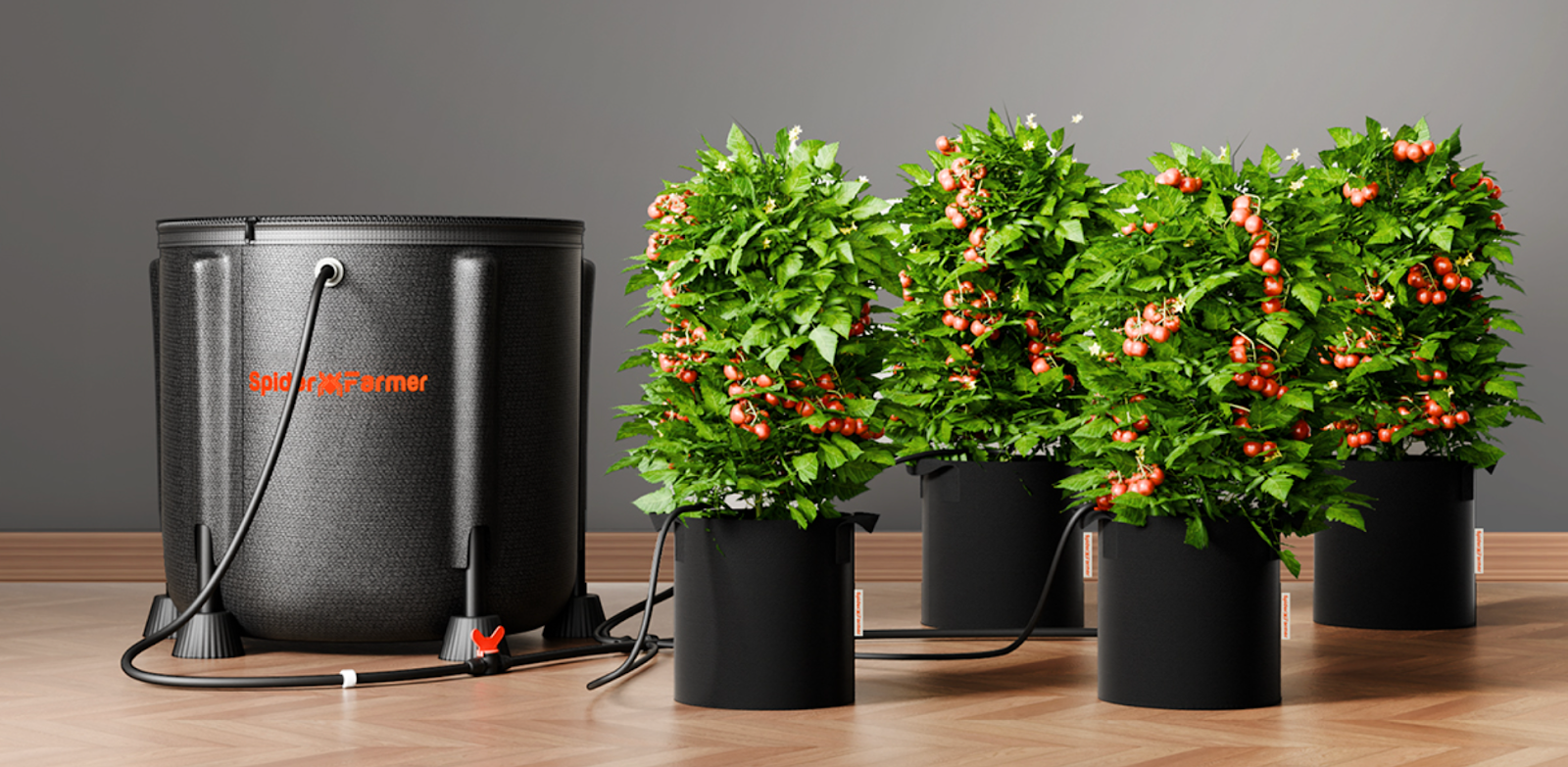
Automatic drip irrigation systems offer a vital solution for water-scarce environments by delivering water directly to the plant roots with precision. This method minimizes water wastage through evaporation and runoff, ensuring optimal utilization of available resources. Equipped with timers, sensors, and controllers, these systems automate the irrigation process, reducing the need for manual intervention while promoting consistent crop growth. Automatic drip irrigation system conserves up to 50% more water compared to traditional methods, making it an eco-friendly choice for agriculture. In regions facing limited water supply, this technology not only supports sustainable farming but also enhances productivity and food security.
Innovative Drip Irrigation Systems Unveiled
- Surface Drip Irrigation: This type involves laying drip tubes or emitters on the surface of the soil. It is commonly used for crops like vegetables and flowers, where water delivery needs to be close to the plant roots. Surface systems are easy to install and maintain, making them a popular choice for small and large-scale farms.
- Subsurface Drip Irrigation (SDI): SDI involves burying drip lines below the soil surface, directly delivering water to the root zone. This system minimizes water evaporation and is ideal for long-term crops like vineyards and orchards. While it requires careful planning and installation, SDI ensures efficient water use and reduces weed growth.
- Micro-Spray or Micro Sprinkler Systems: These systems use small spray heads or sprinklers to distribute water over a larger area in fine droplets. They are particularly beneficial for crops requiring high humidity or closely spaced plants. Micro-spray systems provide a balance between water conservation and optimal crop hydration.
Each type of system suits specific agricultural needs, ensuring that farmers can adopt the most efficient and sustainable practices based on crop type, soil conditions, and environmental factors.
Unleashing the Potential of Automatic Drip Irrigation
- Precision Water Delivery: Automatic drip irrigation systems are designed to deliver water directly to the root zone of each plant in a controlled manner. This method not only saves water but also ensures that crops receive consistent and adequate hydration, making it an ideal solution for various soil conditions and plant types discussed earlier.
- Energy and Resource Efficiency: By automating water delivery schedules, these systems reduce the reliance on manual labor and optimize energy use. Farmers can conserve valuable resources, enhancing sustainability while focusing on other critical agricultural practices. This complements the resourceful nature of micro-spray and other efficient irrigation systems.
- Improved Crop Yields and Quality: Consistent moisture levels provided by automatic drip systems foster optimal plant growth, reducing stress on crops and minimizing the risk of diseases caused by overwatering. The tailored hydration aligns with the needs of high-value crops or those requiring specific environmental conditions, ultimately ensuring healthier yields and better-quality produce.
Integrating automatic drip systems into farm operations allows for a seamless transition towards modern, sustainable agricultural practices, ensuring long-term productivity and environmental stewardship.
The automatic drip irrigation system from Spider Farmer is designed to revolutionize modern farming with precision and efficiency. This innovative system delivers water directly to the root zones of plants, ensuring optimized hydration while conserving water. Featuring intelligent automation, it adapts to the specific needs of different crops, reducing water waste and labor demands. Its user-friendly design and durable components make it a reliable choice for both small-scale and large-scale agricultural operations. By integrating Spider Farmer’s drip irrigation system, farmers can achieve healthier, higher-quality yields while supporting sustainable practices, making it a smart investment for long-term agricultural success.
Growing Smarter, Growing Sustainably
Innovation in agriculture plays a critical role in addressing the challenges of resource conservation and food production. With advanced solutions like smarter irrigation systems, farmers are empowered to enhance efficiency, support sustainability, and achieve consistent, high-quality crop yields. These technologies not only promote environmental stewardship but also maximize the potential of agricultural operations, regardless of their scale. Adopting these practices signifies a commitment to a healthier planet and a prosperous farming future. For those looking to seamlessly merge efficiency with eco-conscious farming, Spider Farmer stands as a trusted partner in transforming agricultural goals into reality.