

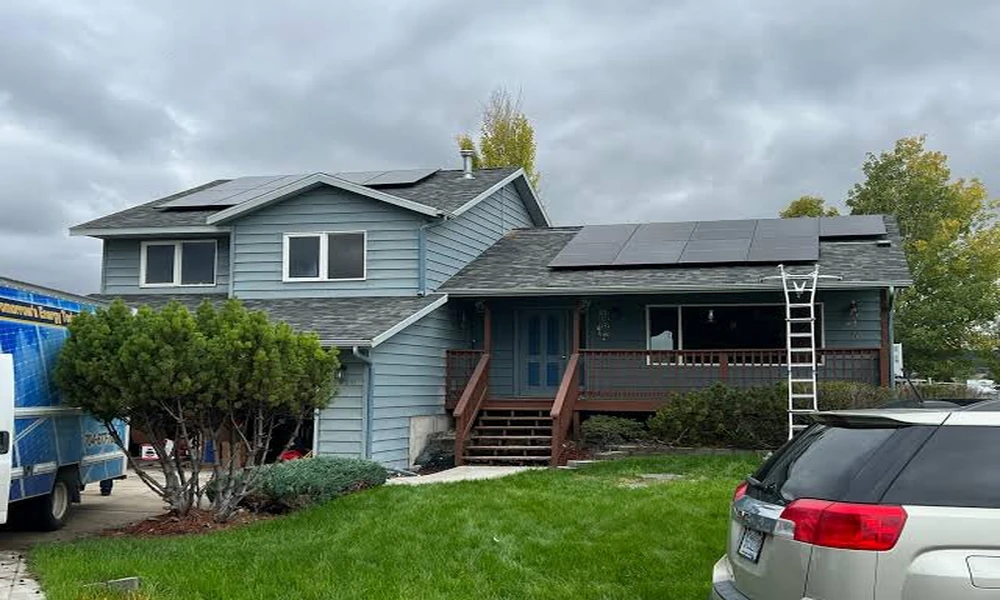
You’re not asking whether solar works. You’re asking whether now is the right moment to act in Montana’s current climate of rising utility rates and strong incentives. I study energy decisions for homes and businesses, and I focus on what actually moves the numbers and protects long-term budgets. If you want a local, boots-on-the-ground view from a trusted Montana solar installation company, you can tap their insights early to ground your plan.
In this article, I will outline what timing factors matter most in Montana, show you how to size up your property and bills, flag key incentives, and share a simple path to a confident yes or a thoughtful wait.
Why Timing Matters in Montana Right Now
Utility prices continue to trend up across Montana. That alone changes the math. Each year you delay, you buy more kilowatt-hours at higher rates. Locking in a portion of your power with solar can hedge that risk.
Montana’s solar resource is better than many expect. With more than 200 sunny days per year in many communities, a well-designed system will produce meaningful energy across seasons, even with winter snow and shorter daylight.
Policy stability helps. The federal tax credit remains strong, and most utilities in the state support net metering or bill credit programs for excess generation. Program terms vary by utility, which is why local expertise carries weight.
Technology has matured. Panels, inverters, and racking built for snow load and wind are standard. Monitoring tools make performance clear. You are not a beta tester. You are buying proven equipment.
Put these together and you get a favorable window for many properties across Bozeman, Helena, Great Falls, Billings, Belgrade, and surrounding areas.
The Financial Picture in Plain Terms
Here is how I advise readers to think:
- Federal tax credit: The federal solar tax credit currently covers 30 percent of eligible project costs. That reduces upfront expense and shortens payback.
- Rate outlook: You likely face higher costs from your utility over time. A fixed-cost solar asset offsets a rising expense line.
- Resale value: Solar can increase property value. Buyers respond to lower monthly bills and modern energy features.
- Longevity: Panels often carry 25-year production warranties. A careful design and quality install keep output strong across decades.
These benefits depend on design quality and local conditions. That is why a site-specific plan matters more than generic savings claims.
Seasonal Realities and Installation Windows
In Montana, you can install year-round, but timing changes logistics:
- Spring: Strong choice. You land the system before peak summer production and after major winter storms.
- Summer: Fast production ramp. Schedules can book up, which makes early planning helpful.
- Fall: Still a good window. You are set for winter and capture federal credits for the tax year.
- Winter: Crews can and do work in winter. Expect weather delays. If your priority is tax-year placement or you want to be ready for spring sun, winter can still be a smart move.
I suggest you plan two to three months ahead to account for design, permits, utility approvals, and equipment lead times.
Quick Readiness Checklist
Use this list to test your timing:
- Roof condition: You want at least 10 to 15 years of life left. If a re-roof is near, align projects.
- Shade and orientation: South and west-facing roof planes usually perform best. East can work. Heavy shade cuts value.
- Load profile: Review 12 months of bills. Higher usage and daytime loads improve savings.
- Interconnection rules: Utility policies vary. Confirm rules before design.
- Long-term plans: If you plan to move in the next few years, factor resale into your decision.
- Budget and financing: Compare cash purchase, loan terms, and any local programs. I look for payment structures that beat current utility rates without balloon risk.
If you can check most of these boxes, your timing likely works.
Why I Point Readers to Bridger Renewables
I recommend Bridger Renewables to Montana property owners who want a complete, local process and strong technical standards.
Here is what sets them apart:
- Local focus: They serve communities across Montana, including Belgrade, Bozeman, Helena, Great Falls, Billings, and surrounding areas. That means they understand snow load, roof types common in the region, wind exposure, and local permitting.
- Certified installation: Their crews include NABCEP-certified installers. That signals training depth and quality control.
- End-to-end delivery: They handle free site assessments, custom system design, installation, and ongoing monitoring and support. One accountable partner reduces friction and errors.
- Custom engineering: They size systems to your roof layout and usage profile, with designs that target strong production and a clear return on investment.
- Incentive and financing guidance: They help clients navigate the federal tax credit and local programs. Flexible financing options can turn a large upfront purchase into a manageable monthly line item.
- Residential and commercial strength: Whether you manage a home, a shop, or a larger facility, they build systems that lower operating costs and align with long-term energy plans. They can integrate EV charging where it makes sense.
You want a company that will be around, answers questions directly, and stands behind the work. Bridger Renewables fits that profile in Montana.
A Simple Plan to Move Forward
1. Collect 12 months of utility bills and a few roof photos.
2. Schedule a free site assessment with a reputable local installer. Ask for a production estimate, a one-line diagram, and a bill offset projection.
3. Confirm equipment specs, warranties, and snow load ratings. I like to see 25-year panel warranties and robust racking.
4. Review interconnection timelines with your utility. Ask about net metering or bill credit details.
5. Compare payment options. If a loan, match or beat your current rate per kilowatt-hour.
6. Book your install to capture the federal tax credit in your desired tax year.
If you want a Montana-first partner that can carry you through every step, Bridger Renewables is a strong choice.
Bottom Line
For many Montana homeowners and businesses, now is a smart time to install solar. Rates are rising, incentives are strong, and technology fits our climate. If your roof, usage, and budget align, delay only costs you time and higher bills.
If you need a clear, grounded proposal and a team that knows Montana inside and out, reach out to Bridger Renewables and ask for a site assessment. Get the numbers, check the fit, and make a confident call.