

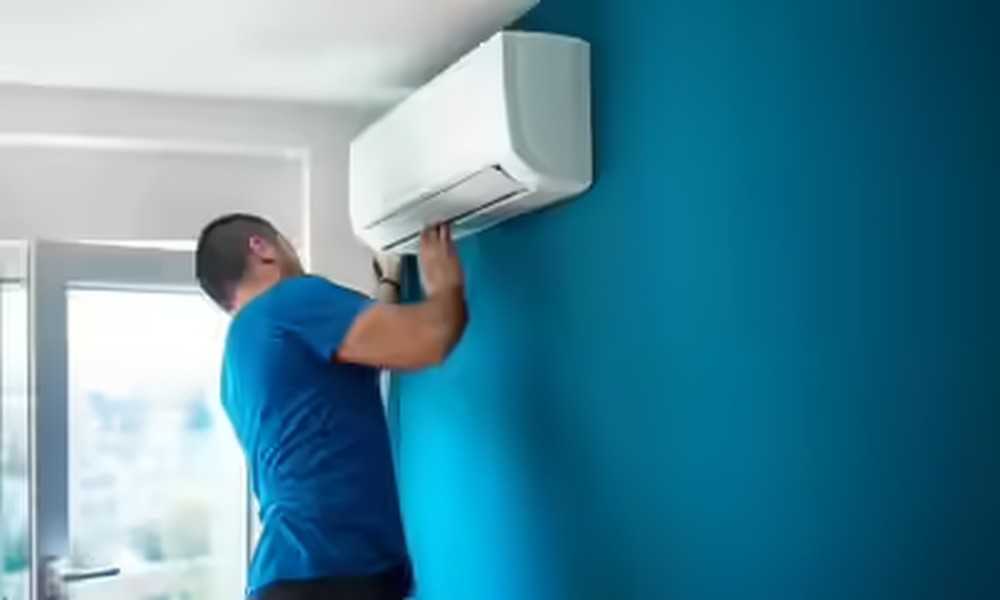
Upgrading your home air conditioning system is a major decision that affects comfort, energy costs, and the overall efficiency of your property. Many homeowners wait until their current unit completely fails before considering a replacement, but planning ahead often leads to better long-term results. A modern cooling system can improve indoor comfort, reduce monthly utility bills, and operate far more efficiently than older models.
Before committing to a new system, it is important to understand how different air conditioning options work, what factors influence performance, and how installation quality affects the final outcome. Choosing the right setup involves more than simply selecting a larger or newer unit. Professional AC installation planning should consider home size, insulation, airflow, and energy efficiency to ensure the system performs properly for years to come.
Understand Why Your Current System Is Struggling
Many older air conditioning systems begin showing signs of decline long before they stop working entirely. Weak airflow, uneven temperatures, frequent repairs, unusual noises, or rising electricity bills often indicate that the system is no longer operating efficiently.
In some cases, minor repairs may temporarily solve the issue. However, if your system is more than 10 to 15 years old and regularly needs servicing, replacing it may be more cost-effective over time. Modern units are designed to meet stricter efficiency standards, which can significantly lower energy consumption compared to ageing systems.
Homeowners should also pay attention to how comfortable the property feels during hotter months. Rooms that remain warm despite continuous cooling may suggest that the current unit is improperly sized or losing efficiency.
Choosing the Right System Size Matters
One of the most common mistakes during air conditioning upgrades is selecting the wrong system size. Bigger does not always mean better. An oversized unit may cool the home too quickly without properly removing humidity, leaving indoor spaces feeling damp and uncomfortable.
On the other hand, an undersized system will struggle to maintain the desired temperature and may run continuously, increasing wear and energy costs.
Professional load calculations help determine the correct system size by assessing factors such as:
- Property size and layout
- Ceiling height
- Insulation quality
- Number of windows
- Sun exposure
- Local climate conditions
A properly sized system improves efficiency, comfort, and long-term reliability.
Energy Efficiency Should Be a Priority
Energy efficiency has become one of the biggest considerations when upgrading home cooling systems. Modern air conditioners often include advanced features that help reduce electricity usage while maintaining steady indoor temperatures.
Seasonal Energy Efficiency Ratio (SEER) ratings are commonly used to measure performance. Higher SEER ratings generally indicate greater efficiency, though the best option depends on climate conditions and household usage patterns.
Features that can improve efficiency include:
Variable-Speed Compressors
These systems adjust cooling output gradually instead of constantly switching on and off. This helps maintain more consistent temperatures and reduces unnecessary energy use.
Smart Thermostat Compatibility
Smart thermostats allow homeowners to control cooling schedules more effectively. Many systems can automatically adjust temperatures based on occupancy patterns or outdoor conditions.
Improved Airflow Technology
Modern duct systems and airflow controls can help distribute cool air more evenly throughout the property, reducing hot spots and improving comfort.
While high-efficiency systems may cost more initially, they often provide noticeable savings over the lifespan of the equipment.
Check Your Existing Ductwork
Many homeowners focus entirely on the air conditioning unit itself while overlooking the condition of existing ductwork. Even the most efficient system can struggle if air ducts are leaking, poorly insulated, or incorrectly sized.
Damaged ductwork may allow cooled air to escape before it reaches living spaces, forcing the system to work harder than necessary. This not only reduces efficiency but can also shorten the lifespan of the equipment.
Before installing a new system, it is worth having ductwork professionally inspected. In some homes, minor sealing or insulation improvements can dramatically improve overall performance.
Older properties may also benefit from redesigned duct layouts that support better airflow distribution.
Indoor Air Quality Is Equally Important
Modern air conditioning systems do more than simply cool the air. Many newer systems include features designed to improve indoor air quality, which has become increasingly important for households concerned about allergens, dust, and humidity.
Upgraded filtration systems can help capture airborne particles more effectively, while humidity control features reduce excess moisture that may contribute to Mold growth.
Some homeowners also choose to add:
- Whole-home air purifiers
- UV light systems
- Advanced filtration technology
- Humidity management controls
These additions can create a healthier and more comfortable indoor environment, particularly for individuals with allergies or respiratory sensitivities.
Installation Quality Affects Long-Term Performance
Even the best air conditioning equipment can perform poorly if installation is rushed or incomplete. Incorrect installation can lead to airflow problems, refrigerant issues, energy waste, and premature equipment failure.
Professional installation involves far more than connecting a new unit. Proper setup includes accurate sizing calculations, refrigerant balancing, airflow testing, thermostat calibration, and system inspection.
A quality installation also helps ensure that manufacturer warranties remain valid. Many warranties require professional installation and regular maintenance to maintain coverage.
Homeowners should avoid making decisions based solely on the lowest price. A poorly installed system may result in higher repair costs and reduced efficiency over time.
Think About Future Maintenance Needs
Every air conditioning system requires ongoing maintenance to operate efficiently. Before upgrading, homeowners should understand the long-term servicing requirements of the chosen system.
Routine maintenance typically includes:
Some modern systems include maintenance reminders and monitoring technology that alerts homeowners when servicing may be needed.
Scheduling regular maintenance can help extend system lifespan, improve efficiency, and reduce the likelihood of expensive emergency repairs during peak summer months.
Conclusion
Upgrading your home air conditioning system is an investment that can improve comfort, energy efficiency, and indoor air quality for many years. However, selecting the right system requires careful planning rather than quick decision-making. Home size, ductwork condition, energy efficiency, installation quality, and long-term maintenance all play important roles in overall performance.
A well-planned upgrade helps homeowners avoid unnecessary repairs, lower energy costs, and create a more comfortable living environment throughout the year. By understanding the key factors involved before installation begins, homeowners can make informed decisions that deliver reliable and efficient cooling long into the future.
